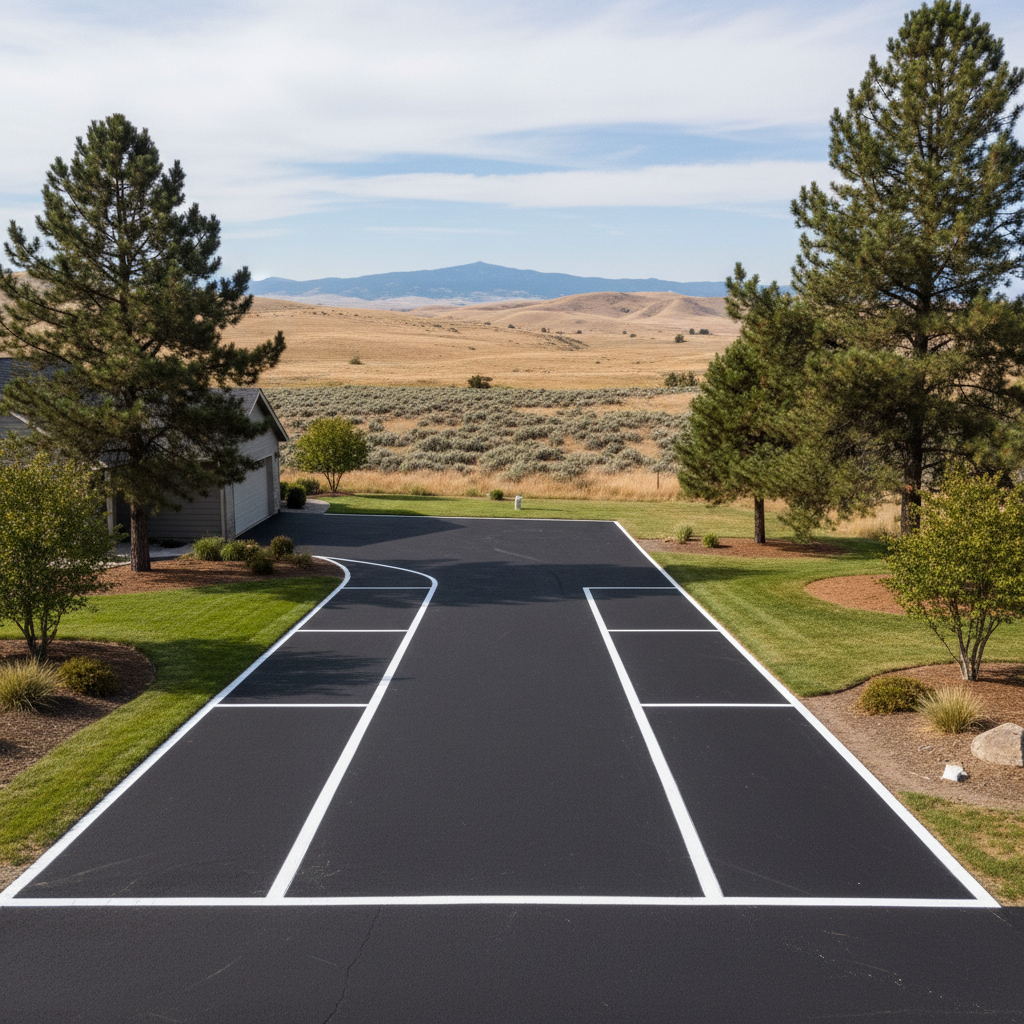
You've just had your parking lot or driveway striped, and it looks fantastic. All those crisp, bright lines make everything look clean, organized, and professional. But here's the thing: those lines aren't just for show. They're critical for safety, traffic flow, and even ADA compliance, depending on your property. So, how do you keep them looking that good and doing their job for as long as possible?
Extend the Life of Your Asphalt Striping
The biggest factor in how long your striping lasts is the quality of the initial application. If it was done right – good quality paint, proper surface prep, and the right weather conditions – you're already ahead. But even the best job needs a little help to go the distance.
One key is to minimize heavy traffic and sharp turns on fresh paint. I know, easier said than done sometimes, especially in a busy commercial lot. But if you can, give those new lines a solid 24-48 hours to cure properly. That initial curing time is crucial for adhesion and durability.
Another thing is to keep the surface clean. Dirt, debris, and oil spills don't just look bad; they can degrade the paint over time. Regular sweeping or blowing off the lot helps a lot. For oil and gas spills, clean them up as quickly as you can with appropriate absorbents. Don't let them sit and soak into the asphalt or the paint.
What Regular Maintenance Looks Like
Regular maintenance for striping isn't rocket science, but it is consistent. Think of it like taking care of your car – small, ongoing efforts prevent bigger, more expensive problems down the road.
- Keep it Clean: Like I said, regular sweeping or power washing (at a low pressure, mind you) helps remove grime, dirt, and general muck that builds up. Especially after a windy spell here in Kennewick, when dust and tumbleweeds are flying around, a good sweep makes a difference.
- Address Asphalt Issues Promptly: The paint adheres to the asphalt. If the asphalt underneath is cracking, crumbling, or heaving, the paint isn't going to last. Potholes, alligator cracking, or even just significant surface deterioration need to be repaired. You can't have good lines on a bad surface.
- Sealcoating: This is a big one. If your entire lot is due for sealcoating, that's the perfect time to re-stripe. Sealcoating protects the asphalt itself, and when you stripe over a fresh sealcoat, the paint adheres better and lasts longer. It's a one-two punch that really extends the life of your pavement and its markings.
Warning Signs of Problems
You don't need to be an expert to spot when your striping is starting to go south. Here are a few things to look for:
- Fading: This is the most obvious. If your bright white or yellow lines are looking dull, grey, or barely visible, they're fading. UV exposure from our sunny Kennewick summers is a big culprit here, along with general wear and tear.
- Chipping or Peeling: If you see actual pieces of paint flaking off, that's a sign of poor adhesion or significant wear. This often happens in high-traffic areas where tires are constantly scuffing the lines.
- Cracking: Sometimes the paint itself will crack, especially if the asphalt underneath is cracking. This means the paint isn't flexible enough to move with the pavement, or the pavement itself is failing.
- Disappearing Lines: In areas with heavy traffic, especially where vehicles turn or brake, lines can simply wear away completely. This is a safety hazard, especially for parking stall lines or directional arrows.
When to Call a Professional
Look, you can sweep your lot and pick up trash, but when it comes to the actual striping work, you'll want to call in the pros. Here's when you should definitely pick up the phone:
- Significant Fading or Wear: If more than 25-30% of your lines are noticeably faded or worn away, it's time for a refresh. Don't wait until they're completely gone.
- Before or After Sealcoating: If you're planning a sealcoat project, talk to your contractor about striping as part of that job. It's the most efficient way to get both done.
- Changes in Layout: If you're adding new parking spaces, changing traffic flow, or need to update ADA-compliant markings, you'll need professional design and application.
- Regulatory Compliance: ADA parking spaces, fire lanes, and other specific markings have strict regulations. If your current markings aren't up to code, or you're unsure, get a professional assessment. We stay up-to-date on all the local and federal requirements.
- Any Asphalt Repairs: If you've had significant asphalt repairs done – patching potholes, fixing cracks – those areas will need to be re-striped to match the rest of your lot.
Keeping your asphalt striping in good shape isn't just about curb appeal; it's about safety, organization, and protecting your investment. A little attention goes a long way, and when it's time for a refresh, Alpha Paving Solutions is here to help you keep those lines looking sharp and doing their job.