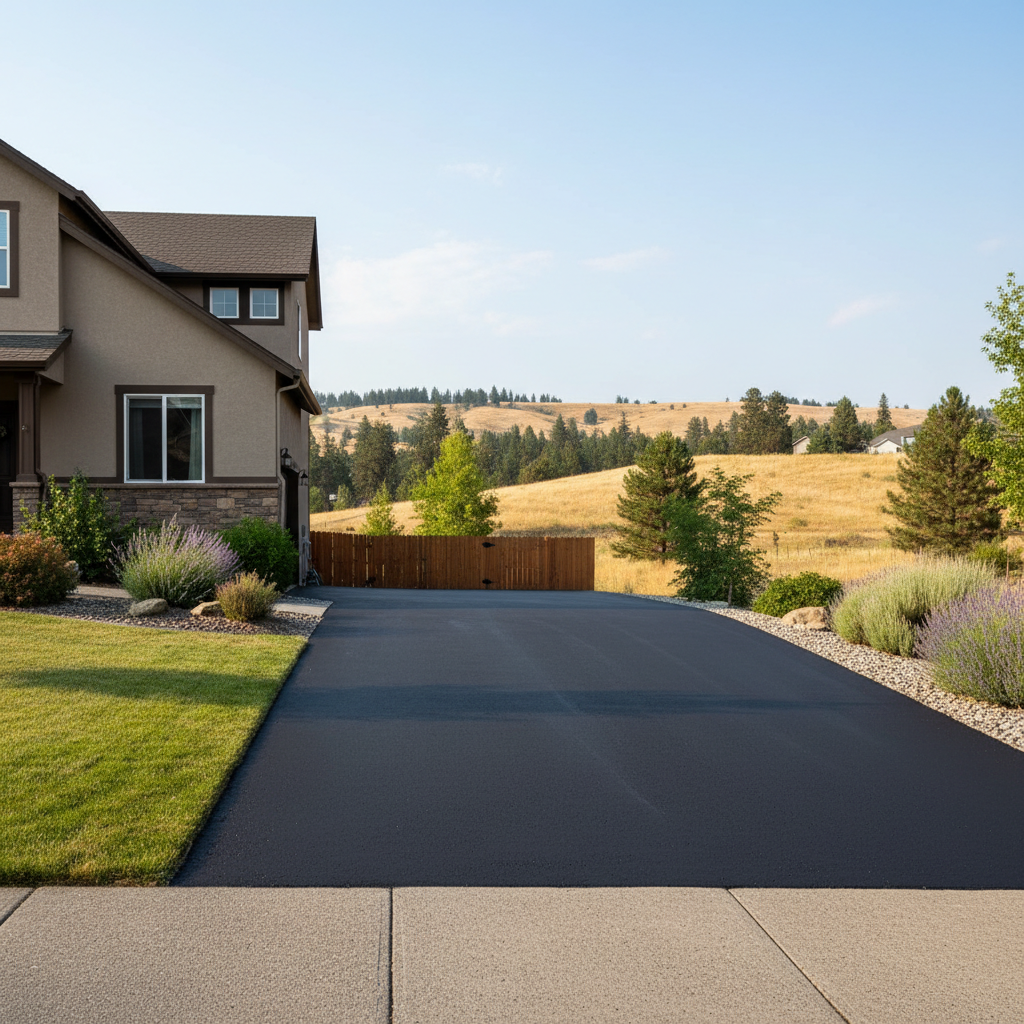
You're probably thinking about sealcoating your driveway because it's looking a little rough, faded, or maybe you just want to protect your investment. That's smart. A good sealcoat job can really extend the life of your asphalt. But I've seen a lot of homeowners in Kennewick make some pretty common mistakes that end up costing them more time, money, and headaches than they ever anticipated. Let's talk about what to watch out for.
Mistake #1: Waiting Too Long (Or Not Long Enough)
This is a big one. Some folks wait until their driveway looks like a patchwork quilt before they even consider sealcoating. At that point, you're not just sealing; you're doing major repairs, and that gets expensive fast. Sealcoating is preventative maintenance, not a miracle cure for a crumbling driveway. You want to sealcoat when the asphalt is still in good shape, maybe a few years after it's been laid, and then every 2-3 years depending on traffic and sun exposure.
On the flip side, I've also seen people sealcoat a brand-new driveway too soon. New asphalt needs time to cure properly, usually 6-12 months, sometimes even longer in our dry Kennewick climate. If you seal it too early, you can trap oils and solvents, preventing it from fully hardening, and that'll lead to a weaker, less durable surface down the road. Always ask your paving contractor for their recommendation on cure time.
Mistake #2: Choosing the Wrong Contractor (Or DIYing When You Shouldn't)
Look, I get it. Everyone wants a good deal. But when it comes to asphalt, 'cheap' often means 'bad.' I've seen so many botched jobs from fly-by-night crews or homeowners who thought a few buckets from the hardware store would do the trick. Here's what happens:
- Inexperienced contractors: They might not prep the surface correctly, leading to poor adhesion. They might apply the material too thin, giving you no protection, or too thick, causing it to crack and peel. They often use low-quality, watered-down sealants that don't last.
- DIY gone wrong: Unless you've got experience and the right equipment, you're likely to end up with an uneven, streaky mess. Proper cleaning, crack filling, and application techniques are crucial. Plus, those consumer-grade sealants just don't hold up like the commercial stuff we use. You'll be doing it again next year.
Always ask for references, check reviews, and make sure they're licensed and insured. A reputable company like Alpha Paving Solutions will give you a clear estimate and explain their process.
Mistake #3: Ignoring Potholes and Cracks Before Sealing
This goes back to the 'sealcoating isn't a miracle cure' idea. You wouldn't paint a rusty car without fixing the rust first, right? Same principle here. If you sealcoat over cracks and potholes, you're just putting a band-aid on a gaping wound. Those cracks will still let water penetrate, freeze, expand, and cause more damage underneath. The sealcoat will crack right along with them, and you'll be back to square one, possibly worse off.
A good contractor will insist on repairing all significant cracks and potholes *before* applying any sealcoat. This ensures the integrity of the asphalt underneath and allows the sealcoat to do its job effectively – protecting a sound surface.
Mistake #4: Not Understanding the Product Being Used
Not all sealants are created equal. There are different types, primarily coal tar emulsion and asphalt emulsion. Each has its pros and cons regarding durability, environmental impact, and cost. Some contractors will use a heavily diluted product to save money, which means it won't last. Others might use a product that's not ideal for our specific weather patterns here in the Tri-Cities, where we get scorching summers and freezing winters.
Ask your contractor what kind of sealant they use, why they use it, and what its expected lifespan is. A good contractor will be transparent and educate you on the materials. You want something that offers good UV protection from our intense summer sun and flexibility for those cold snaps.
Mistake #5: Neglecting Proper Curing Time Post-Application
You've got a freshly sealcoated driveway, and it looks fantastic! The temptation to drive on it is real. But patience is key. Most sealcoats need at least 24-48 hours to cure before light foot traffic, and 48-72 hours, sometimes even longer, before you can drive a vehicle on it. Our dry, hot Kennewick summers can sometimes speed this up, but humidity or cooler temperatures can slow it down significantly.
Driving on it too soon will leave tire marks, scuffs, and can even pull up the fresh sealcoat, ruining the job. Make sure you understand the contractor's recommendations for curing time and stick to them. It's a small inconvenience for a long-lasting, beautiful driveway.
Avoiding these common mistakes will save you a lot of grief and ensure your asphalt driveway stays in top shape for years to come. Do your homework, ask the right questions, and don't cut corners. Your driveway will thank you for it.