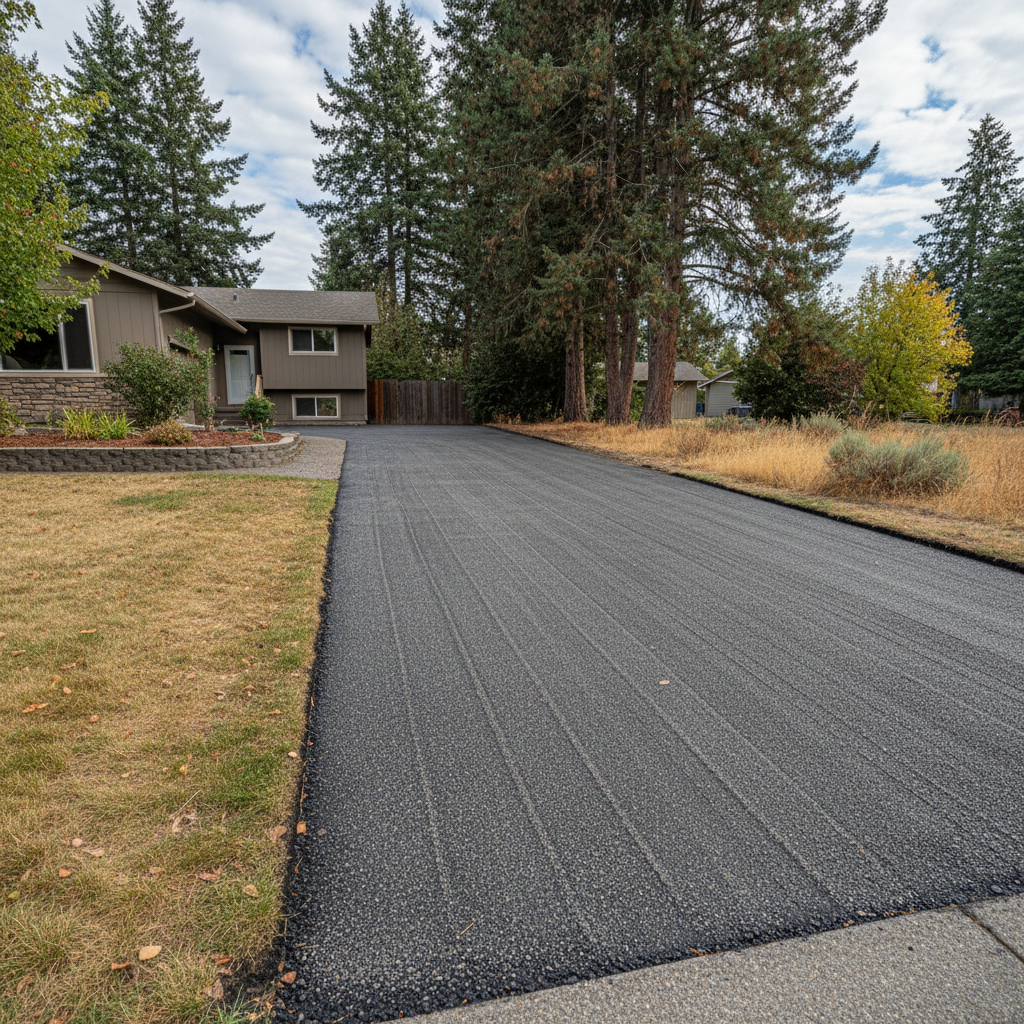
So, you're looking at asphalt milling for your property here in Kennewick. Good call. It's a smart way to fix up an old, worn-out driveway or parking area without ripping everything out and starting from scratch. But when's the best time to do it? And what about our crazy Tri-Cities weather?
When to Schedule Your Asphalt Milling in Kennewick
Timing is pretty crucial for milling, just like it is for most outdoor work around here. You want conditions that help the process, not hinder it. Generally, I tell folks to aim for the warmer months, but not the absolute scorching peak of summer.
Spring and fall are usually your best bets. In spring, once the ground has thawed completely and we're past those late-season freezes, the asphalt is more cooperative. We're talking late March through May. The temperatures are mild, and we usually get some decent dry stretches. This gives us good working conditions and allows the milled surface to sit nicely before any new asphalt goes down.
Fall is also excellent, say September through October. The summer heat has done its work, and the ground is warm, but the air temperatures are cooling off. This means the material we're milling is less brittle than in winter and not as soft as in peak summer. Plus, it gives you a solid, refreshed surface before winter's freeze-thaw cycles start up again.
How Kennewick Weather Impacts Milling
Our local weather can be a real character, can't it? It definitely plays a role in how smoothly an asphalt milling job goes.
- Extreme Heat: When it's 100+ degrees out, like it often is in July and August, asphalt gets really soft. This can make milling a bit messier. The material can gum up the equipment more, and it's just not ideal for getting a clean, consistent cut. We can still do it, but it's not our first choice.
- Freezing Temperatures: You absolutely want to avoid milling when it's freezing or when the ground is frozen solid. The asphalt becomes brittle, making it harder to get an even depth. Plus, working on frozen ground can lead to issues with the sub-base once things thaw, which you definitely don't want.
- Rain: A little drizzle isn't the end of the world, but heavy rain can halt a milling job. It makes the ground muddy, reduces visibility, and can mess with the consistency of the milled material. We need a relatively dry surface to work efficiently and safely.
- Wind: Kennewick gets its share of wind, especially during spring. Strong winds can kick up a lot of dust and debris, which is a nuisance and can affect visibility for the crew. It's usually manageable, but something we always keep an eye on.
For example, if you live in a place like the Badger Mountain South area, with its higher elevation and sometimes more exposed conditions, wind can be a bigger factor than for someone down closer to the river.
Protecting Your Investment Year-Round
Milling is a big step towards a better driveway, but it's just one piece of the puzzle. Once you've got that fresh surface, you need to protect it. Here's what I tell folks:
- Sealcoating: This is your first line of defense. After milling and repaving (or even just milling and applying a new layer of asphalt), give it a good sealcoat. It protects against UV rays, water penetration, and spills. I usually recommend waiting 6-12 months after new asphalt is laid to let it cure properly, then get that sealcoat on.
- Drainage: Make sure water is flowing off your driveway, not pooling on it. Standing water is asphalt's worst enemy, especially during our freeze-thaw cycles. If you've got areas where water collects, address them. Sometimes milling can help improve drainage by correcting slopes, but always keep an eye on it.
- Crack Sealing: Small cracks happen. It's a fact of life with asphalt. But don't let them become big cracks. Seal them up as soon as you see them. This stops water from getting underneath and eroding your base, which is what really causes potholes and bigger problems.
- Keep it Clean: Sweep off dirt, leaves, and debris regularly. Chemicals like oil and gas spills should be cleaned up quickly too, as they can break down the asphalt binder.
- Avoid Heavy Loads: Try not to park really heavy vehicles or equipment on your asphalt for extended periods, especially in hot weather. It can cause depressions and rutting.
At Alpha Paving Solutions, we've seen it all when it comes to Kennewick asphalt. We know what works and what doesn't in our local climate. Getting the timing right for your milling project, understanding how our weather affects it, and then taking care of that new surface will make a huge difference in how long your driveway lasts and how good it looks.
Need a Pro's Opinion?
If you're still not sure about the best time for your project or what exactly your driveway needs, just give us a call at Alpha Paving Solutions. We're happy to come out, take a look, and give you an honest assessment. No pressure, just good advice from your local paving pros.