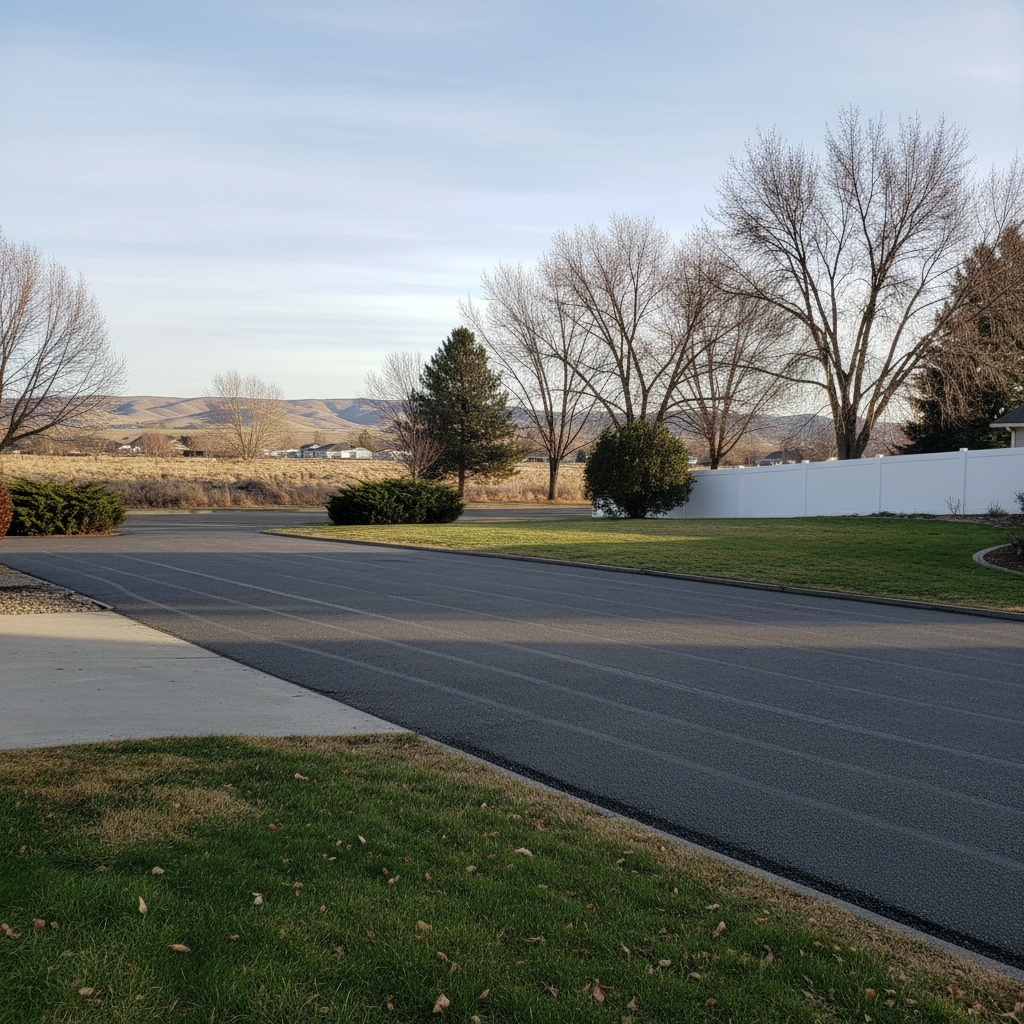
So, you've had asphalt milling done on your property. Maybe it was a driveway, a parking lot, or even a private road. That's a smart move for getting a solid, cost-effective surface, no doubt. But just like anything else, it's not a 'set it and forget it' deal. You've got to put in a little effort to make sure that investment lasts, especially with our Tri-Cities weather swinging from scorching summers to icy winters. What a rollercoaster, right?
Extending the Life of Your Milled Asphalt
The biggest thing you can do to extend the life of your milled asphalt is to protect it from the elements and heavy wear. Think of it like a good foundation; you want to keep it stable. Once we've milled and compacted a surface, it's pretty durable, but it's not invincible. The initial compaction is key, and if you had Alpha Paving Solutions do the work, you know we don't skimp on that.
One common mistake I see around Kennewick, especially in some of the older industrial areas, is people driving heavy equipment or large trucks over freshly milled (but not yet topped) surfaces before they've really settled. Give it time if it's just a milled base layer. If it's your final surface, avoid sharp turns with heavy vehicles, especially in the heat. That's when the asphalt is most pliable and prone to rutting.
Another big one is drainage. Water is the enemy of any paved surface, milled or otherwise. Make sure your gutters are clear, and downspouts aren't dumping water directly onto the asphalt. If you've got low spots where water pools, that's a problem we need to address. It'll soften the base over time and lead to potholes faster than you can say 'patch job.'
Regular Maintenance: What You Need to Do
Regular maintenance for milled asphalt is pretty straightforward, honestly. You don't need a degree in engineering to handle most of it.
- Keep it Clean: Sweep off dirt, leaves, and debris regularly. Organic matter can hold moisture right against the surface, and grit can act like sandpaper under traffic.
- Address Spills Immediately: Oil, gas, and other chemicals are bad news for asphalt. They break down the binders. If you spill something, clean it up with an absorbent material, then wash the area with a mild detergent and water. Don't let it sit.
- Watch for Weeds: Weeds and grass can grow through cracks, and their roots can expand those cracks. Pull them out as soon as you see them. A little weed killer can help, but be careful not to get it on the asphalt itself if it's a harsh chemical.
- Sealcoating (Eventually): While milled asphalt is tough, a good sealcoat will add another layer of protection against UV rays, water penetration, and everyday wear. You don't usually sealcoat immediately after milling, especially if it's just a base layer. But if it's your final surface, talk to us about when the right time is for a sealcoat – usually after it's had a good curing period, maybe 6-12 months, depending on traffic and weather.
Warning Signs of Problems
You don't need to be an expert to spot trouble. Just keep an eye out for these things:
- Cracks: Any cracks, whether they're hairline or wider, are a red flag. They let water in, and once water gets under the surface, especially during our freeze-thaw cycles here in Kennewick, you're looking at bigger problems.
- Potholes: These are obvious. They start small and get bigger fast. They're a sign that water has gotten in and eroded the base material.
- Raveling: This is when the aggregate (the small stones) starts to come loose from the surface. It makes the asphalt look rough and worn, like gravel is coming up. That means the binder is failing.
- Rutting or Depressions: If you see tire tracks or dips forming, especially in high-traffic areas or where heavy vehicles park, that means the asphalt is deforming under stress.
- Soft Spots: If an area feels spongy or soft when you walk or drive over it, that's a serious sign of base failure due to moisture.
When to Call a Professional
Look, you can handle the sweeping and the weed pulling, but some things are best left to the pros. You should call us, or another reputable paving contractor, when you see any of those warning signs I just mentioned. Don't wait until a small crack turns into a huge pothole that damages a car's suspension.
Specifically:
- When cracks appear and start spreading. We can clean and fill them properly to stop water intrusion.
- If potholes form. We've got the right equipment and materials to patch them effectively, making sure the repair lasts.
- When you notice significant raveling or soft spots. These usually mean a deeper issue with the base or the asphalt mix itself that needs professional assessment and repair.
- If you're considering sealcoating or resurfacing. We can advise you on the best products and techniques for your specific milled surface and its age.
Ignoring these issues won't make them go away; it'll just make them more expensive to fix down the road. A little proactive maintenance and knowing when to call in Alpha Paving Solutions can save you a lot of headaches and money in the long run. We're here to help you keep that milled asphalt surface performing well for years to come.